
Partner meeting in Riga
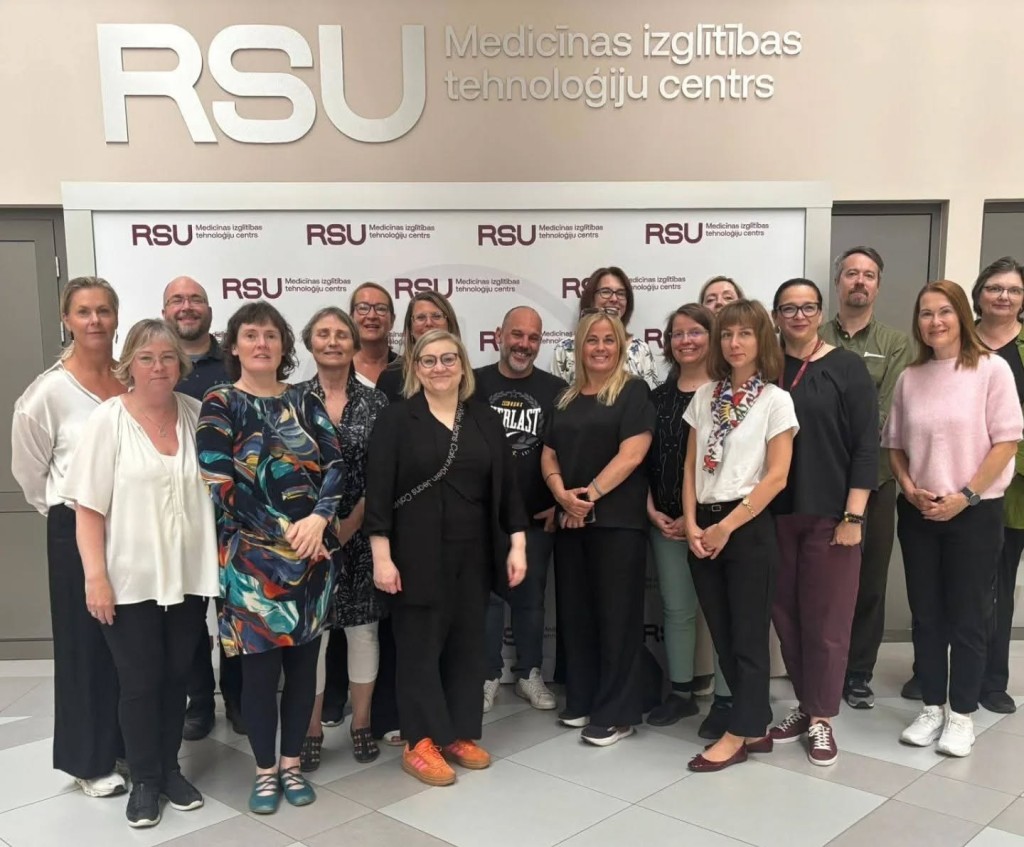
During June 8 – 9, a BigPicture project partner meeting took place in Riga, bringing together partner higher education institutions to evaluate the results of the first piloting round and jointly plan the next steps towards the second piloting phase.
During the first day of the meeting, partners reviewed and discussed feedback from the first piloting phase. Together, they evaluated the lecture component, digital learning elements, the use of the game in the learning process, knowledge tests, assessment methods, as well as the identified challenges and positive aspects. In total, 99 students and nurses participated in the first piloting round, and their experiences and feedback have provided valuable input for further improvement of the course.
A culinary event and insights from the piloting process
As part of the piloting process, more than 20 mini-lectures were developed, along with knowledge tests that were completed both before starting the programme and after its completion. These tests helped assess the development of participants’ knowledge and provided important information for evaluating the effectiveness of the learning content. A digital game with several scenarios was also created, making the learning process more engaging, interactive and innovative. In addition, video simulations were developed, and participants were also required to complete a practical assessment in real-life settings.
The learning experience was supported by experts from the project partner countries, who worked directly with students and nurses throughout the piloting process. These experts motivated, educated and guided participants, explained the learning content, supported reflection and collected valuable feedback from the students and nurses. Their involvement helped ensure that the course was not only theoretically relevant, but also closely connected to real clinical practice.
Although much has already been achieved, the meeting clearly showed that further improvements are needed before the second piloting round. The course will gain new steps, and the CGA story continues — now moving towards the next phase of piloting.
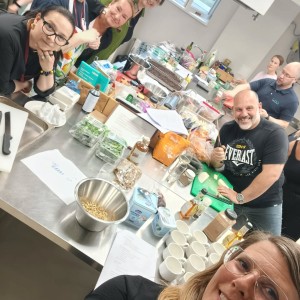
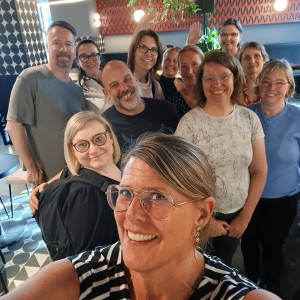
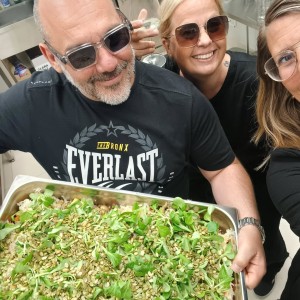
A special atmosphere during the partner meeting was created by the networking dinner at RSU MITC, organized by the RSU Department of Nursing and Midwifery in collaboration with nutrition specialists. The event was designed as an interactive culinary masterclass, combining professional networking with a hands-on cooking experience. In small groups, participants prepared and explored healthy meal concepts, while also strengthening interdisciplinary collaboration, teamwork and informal knowledge exchange. It was a warm, surprising and truly connecting experience — cooking, communicating and collaborating outside the usual working environment.
Focus on simulation games
On the second day of the meeting, the work continued through practical workshops and discussions. Special attention was devoted to the integration of the digital game into the learning process. The digital game is being developed as an innovative educational tool that helps students and practicing nurses learn the principles of Comprehensive Geriatric Assessment in a safe, simulated environment while developing clinical reasoning and decision-making skills.
During the meeting, partners had the opportunity to explore the game’s content, functionality and potential use in education. The discussions focused on how to meaningfully connect the digital game with theoretical lectures, clinical examples, knowledge tests and practical assignments, so that it becomes an effective part of the blended learning process. This experience helped the partners better understand how game-based learning can promote active learning, decision-making, situation analysis and collaboration. During the testing activities, partners also provided suggestions regarding the usability of the game, technical solutions and possible improvements before the next piloting round.
The digital game trial generated great interest and positive engagement. All meeting participants had the opportunity to try the game themselves, assess its potential and provide feedback. This shared experience demonstrated that gamification can become a valuable support tool in nursing education, making learning more interactive, practical and closer to real clinical situations.
The BigPicture project team continues its work with renewed energy, new ideas and a strong commitment to improving the learning materials so that the second piloting round will be even more meaningful, structured and useful for students and practicing nurses.