
Blog series: Can You See the Big Picture? Why Vision, Hearing and Oral Health Assessments Matter in Healthy Ageing
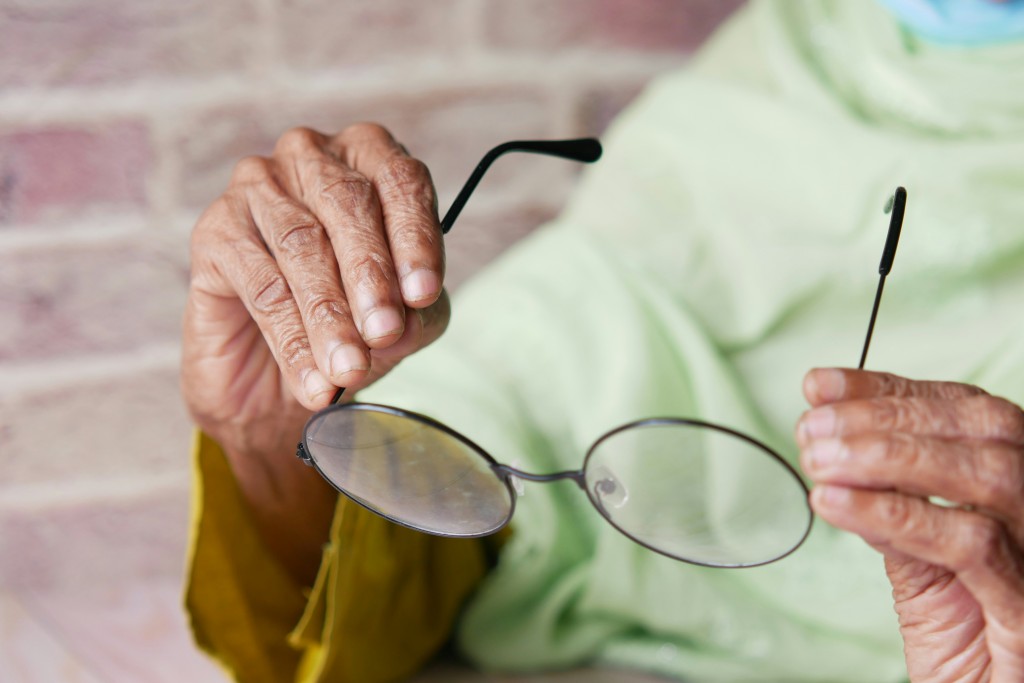
Healthy ageing is not only about managing chronic diseases. Maintaining independence, communication, nutrition and quality of life also depends on preserving sensory and oral health. Yet vision impairment, hearing loss and poor oral health are often overlooked during routine care, despite their significant impact on older adults’ physical, cognitive and psychosocial well-being. Lecture 10 of the Big Picture Learning Programme explored the importance of routinely assessing vision, hearing and oral health, while introducing practical screening tools that can be used by healthcare professionals in both clinical and community settings.
- Author: Aiga Lasmane, Agia Melbarde-Kelmere, Riga Stradiņš University, Latvia.
Sensory Health: An Essential Component of Healthy Ageing
According to the World Health Organization, more than 2.2 billion people worldwide live with vision impairment, while approximately 1.5 billion experience hearing loss. The majority of those affected are older adults.
Sensory impairments are far more than age-related inconveniences. They contribute to:
- Reduced independence
- Impaired communication
- Social isolation
- Increased risk of falls
- Cognitive decline
- Reduced quality of life
Some individuals experience both vision and hearing impairment simultaneously, known as dual sensory impairment, making everyday activities even more challenging. Fortunately, many of these conditions can be identified early through simple screening procedures and managed effectively with timely intervention.
Common Vision Problems in Older Adults
Several eye conditions become increasingly common with age, including:
- Presbyopia
- Cataracts
- Glaucoma
- Age-related macular degeneration
- Diabetic retinopathy
Many of these conditions develop gradually, meaning older adults may not recognise the extent of their visual decline until it significantly affects daily functioning. Regular vision screening allows healthcare professionals to identify individuals who require further ophthalmological assessment before irreversible vision loss occurs.
Simple Vision Screening Tools
One of the strengths of community-based geriatric assessment is that vision screening does not require expensive equipment. The WHO Simple Eye Chart provides a practical method for assessing both distance and near vision. The chart uses the orientation of the letter “E” rather than requiring patients to read letters, making it suitable for individuals with different educational backgrounds or languages. Patients who do not successfully complete the screening should be referred for a comprehensive eye examination by an eye care specialist.
Hearing Loss Often Goes Unnoticed
Age-related hearing loss (presbycusis) develops gradually and commonly affects the ability to hear high-frequency sounds and understand speech, particularly in noisy environments. Other important hearing conditions include tinnitus and sudden sensorineural hearing loss, the latter requiring urgent medical attention. Because hearing loss often progresses slowly, many older adults adapt to communication difficulties without seeking professional help.
Hearing Screening in Everyday Practice
The Whispered Voice Test remains one of the simplest methods for identifying possible hearing impairment. Performed correctly, the test requires no specialised equipment and can be incorporated into routine assessments within a few minutes. Digital technology also offers new opportunities for early detection. The World Health Organization has developed the hearWHO mobile application, allowing individuals to perform a validated hearing self-screening using a smartphone. Similarly, the WHOeyes application supports simple vision screening outside specialist settings. These freely available tools encourage earlier recognition of sensory impairments and improve access to preventive care.
Oral Health Is Part of Overall Health
Oral health has a profound influence on nutrition, communication and general health. Nevertheless, it is frequently under-assessed in older adults.
Common oral health problems include:
- Dental caries
- Periodontal disease
- Xerostomia (dry mouth)
- Tooth loss (edentulism)
- Oral cancer
Poor oral health can lead to pain, chewing difficulties, malnutrition and reduced quality of life. It has also been associated with cardiovascular disease and other chronic conditions.
A Structured Approach to Oral Assessment
Healthcare professionals who are not dental specialists can still perform effective oral health screening. The Oral Health Assessment Tool (OHAT) offers a structured approach for evaluating eight key areas, including the lips, tongue, gums, saliva, teeth, dentures, oral cleanliness and dental pain. Each category is scored according to the severity of findings, helping healthcare professionals identify individuals who require referral for dental care. Using a standardised assessment tool improves documentation, promotes consistency and supports early intervention.
Integrating Sensory and Oral Health into Comprehensive Geriatric Assessment
Vision, hearing and oral health should not be considered separate from general health. Together, they influence mobility, nutrition, communication, cognition and overall functional ability. Routine assessment enables healthcare professionals to detect subtle changes before they develop into serious health problems. Simple evidence-based screening tools can be integrated into everyday practice with minimal time and resources while providing substantial benefits for older adults.
Looking Ahead
As populations continue to age, preserving functional ability becomes an increasingly important goal of healthcare. Routine vision, hearing and oral health assessments represent practical, evidence-based strategies that support healthy ageing and person-centred care. Early identification, timely referral and multidisciplinary collaboration can help older adults maintain independence, improve quality of life and prevent avoidable complications.
Key Take-Home Messages
- Vision, hearing and oral health are fundamental components of healthy ageing.
- Sensory impairments are common but often remain undetected.
- Simple screening tools enable early identification of individuals requiring further assessment.
- The WHO Eye Charts, Whispered Voice Test and OHAT are practical tools suitable for routine clinical practice.
- Integrating sensory and oral health assessments into comprehensive geriatric assessment supports better health outcomes and promotes independence in older adults.
Further Reading
Chadha, S., Dillard, L. K., Mariotti, S. P., & Keel, S. (2023). Monitoring hearing and vision functions in older adults: Rationale and process. Age and Ageing.
World Health Organization. (2019). Integrated care for older people (ICOPE): Guidelines on community-level interventions to manage declines in intrinsic capacity.
Chalmers, J., et al. (2004). Evidence-based protocol: Oral hygiene care for functionally dependent and cognitively impaired older adults. Journal of Gerontological Nursing.
Janto, M., et al. (2022). Oral health among elderly: Impact on quality of life and methods to improve oral health. Journal of Personalized Medicine.