
Blog series: Evaluating and Treating Pain — Creating Individualized Pain Management Plans
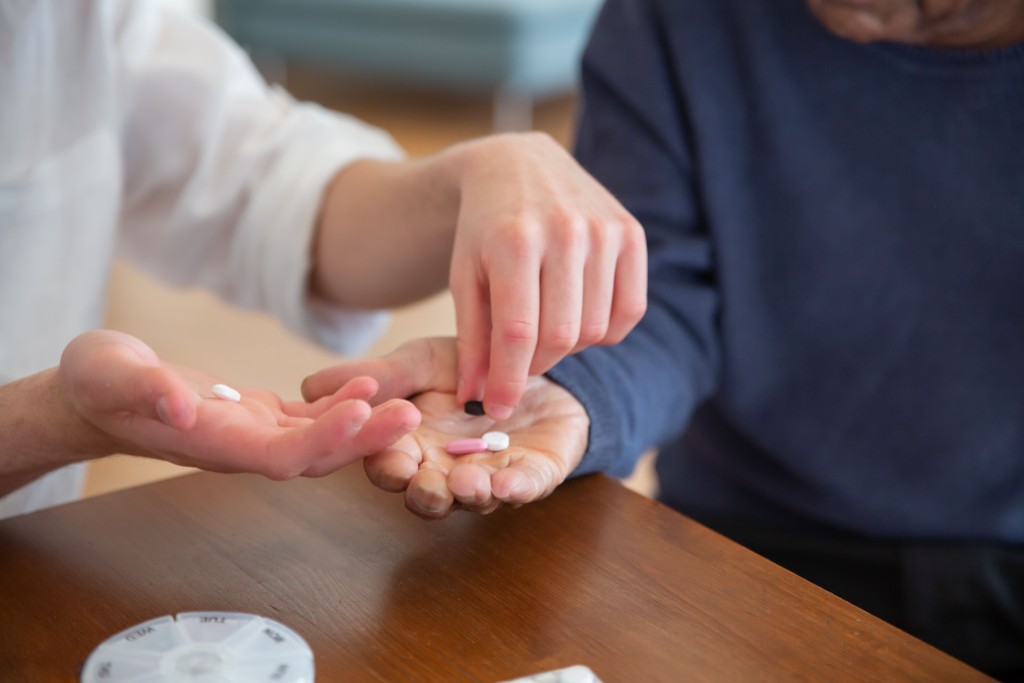
As part of the BigPicture learning programme, Lecture 9 focused on pain assessment and management in older adults, highlighting the central role of nurses in recognizing pain, supporting patients and developing individualized care plans.
- Authors: Agita Melbarde-Kelmere, Evija Melbarde, Ilona Zarina, Riga Stradiņš University
Pain Assessment and Management in Older Adults: A Key Focus in Gerontological Nursing
Pain is one of the most common and challenging health issues affecting older adults. It can influence almost every aspect of daily life — mobility, independence, sleep, mood, social participation and overall quality of life. For this reason, understanding how to evaluate, treat and manage pain is an essential competence in gerontological nursing.
Understanding Pain in Older Adults
Pain in later life is often complex. It may be related to chronic conditions such as arthritis, neuropathy, osteoporosis, cancer, post-surgical recovery or other long-term health problems. Chronic pain is especially common among older adults and may lead to reduced physical function, social isolation, emotional distress and decreased quality of life but pain should not be viewed only as a physical symptom. In older adults, pain is influenced by biological, psychological and social factors. Therefore, effective pain management requires a holistic and patient-centred approach.
The Nurse’s Role in Pain Management
Nurses play a key role in assessing, monitoring and managing pain. They are often the healthcare professionals who spend the most time with patients, which places them in a unique position to identify changes, evaluate treatment effectiveness and support both patients and caregivers.
Comprehensive Pain Assessment
A major focus of the lecture was comprehensive pain assessment. Students and nurses explored how pain should be evaluated not only by its intensity, but also by its location, duration, quality, onset, aggravating and relieving factors, and impact on daily activities. Psychosocial assessment was also emphasized as an important part of pain evaluation. Mood, anxiety, sleep, loneliness and social support can all influence how pain is experienced and managed. Understanding these factors helps nurses develop more personalized and effective care plans.
Choosing the Right Assessment Tools
Validated pain assessment tools are essential for accurate and consistent evaluation. During the lecture, students were introduced to several tools, including the Numeric Rating Scale, Visual Analogue Scale, Wong-Baker FACES Pain Rating Scale and observational tools such as PAINAD for patients with advanced dementia or communication difficulties. A key message was that no single tool is suitable for every patient. Nurses must consider each person’s cognitive status, communication ability, cultural context and individual needs when selecting the most appropriate assessment method.
Pharmacological and Non-Pharmacological Interventions
The lecture also addressed both pharmacological and non-pharmacological approaches to pain management. Medication safety is especially important in older adults because of polypharmacy, comorbidities and age-related physiological changes. Students discussed the principle “start low and go slow”, which is commonly used when introducing medication in older adults. Regular monitoring is essential to identify side effects such as constipation, sedation, confusion and respiratory depression. Non-pharmacological interventions were presented as an important part of holistic pain management. These may include physical therapy, heat and cold therapy, relaxation techniques, music therapy, cognitive behavioural approaches and other supportive strategies that can improve function, comfort and quality of life.
Pain Management in Patients with Dementia
Pain assessment can be particularly challenging in patients with dementia, especially when communication is limited. The lecture highlighted the importance of observing non-verbal cues, changes in behaviour, facial expressions, body movements and daily routines. In these situations, nurses must be especially attentive and combine clinical knowledge with careful observation, empathy and collaboration with caregivers, family members.
Looking Ahead: Technology and Future Trends
The lecture also introduced future trends in pain management, including mobile applications, wearable pain monitors and artificial intelligence-assisted pain assessment tools. These technologies may support more personalised and accurate pain management in the future. At the same time, the lecture reminded students that technology should complement, not replace, professional judgement, communication and person-centered nursing care.
Conclusion
Effective pain management is not a single intervention, but an ongoing, patient-centered and multidisciplinary process. By combining comprehensive assessment, safe medication management, non-pharmacological interventions, patient education and collaboration with the healthcare team, nurses can make a significant contribution to enhancing comfort, preserving dignity and improving quality of life. Lecture 9 of the BigPicture learning programme reinforced that pain management is a core element of gerontological nursing — and that nurses have a vital role in ensuring that older adults receive compassionate, safe and individualized care.
Literature
Pickering, G., Kotlińska-Lemieszek, A., Krcevski Skvarc, N., O’Mahony, D., Monacelli, F., Knaggs, R., … & Kocot-Kępska, M. (2024). Pharmacological pain treatment in older persons. Drugs & Aging, 1-18. doi: 10.1007/s40266-024-01151-8.
Rosengren, K., & Szemberg, C. (2024). Ensuring safe medication assessment for older adults: a pilot study. Home Health Care Management & Practice, 1084822324125 doi:10.1177/10848223241257498
Schofield, P. (2018). The assessment of pain in older people: UK national guidelines. Age and ageing, 47(suppl_1), i1-i22. doi: 10.1093/ageing/afx192.
Strand, N., Tieppo Francio, V., Turkiewicz, M., El Helou, A., S, C., & N, S. (2022). Advances in pain medicine: a review of new technologies. Current Pain and Headache Reports, 26(8), 605-616. doi: 10.1007/s11916-022-01062-6
Xie, C., Gu, Y., Wang, Y., Ni, F., & Li, Y. (2023). Research status and hotspots of medication safety in older adults: A bibliometric analysis. Frontiers in Public Health, 10, 967227. doi: 10.3389/fpubh.2022.967227.