
Blog series: When Love Becomes a Blind Spot: Recognizing Financial Abuse of Older Adults
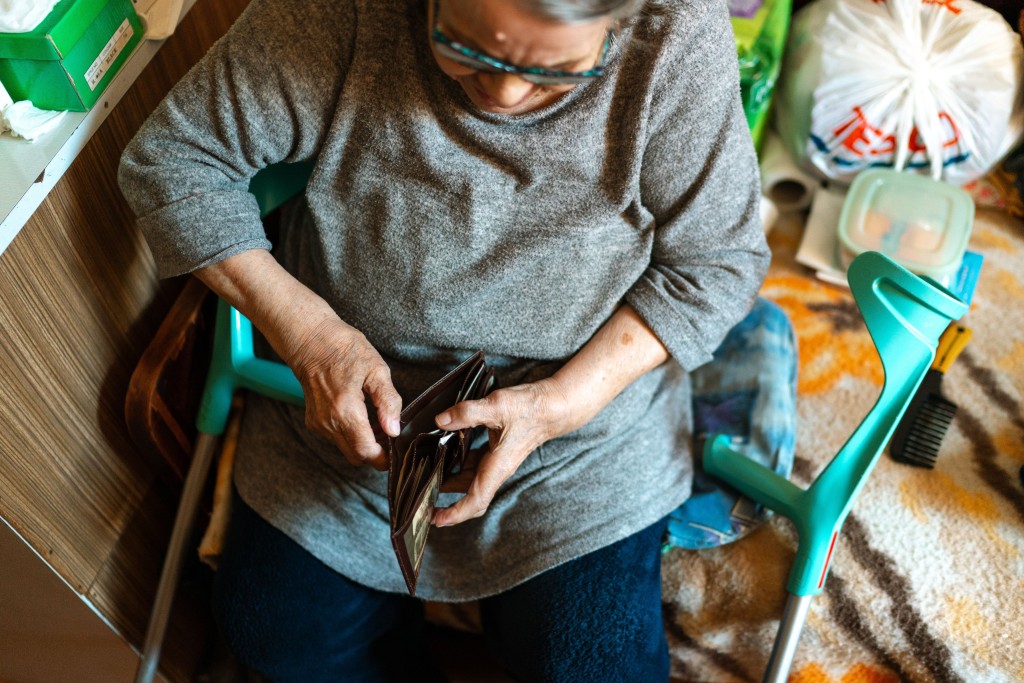
She stands at the pharmacy counter, her voice calm but strained. The prescription is ready—but the payment won’t go through. Confused, she checks again. The funds are simply… gone. At home, her mother waits, trusting. “Did you get the medicine?” she asks gently. A pause. A hesitation. In the daughter’s hand, an empty shopping bag—and earlier, a glimpse: a can of beer, casually carried, quietly symbolic. “Where did the money go?” the older woman wonders aloud. This is not just a story. It is a reality for many older adults. And too often, it unfolds not at the hands of strangers—but within the closest relatives of care.
- Author: Nina Korsström, Turku University of Applied Sciences
The Hidden Face of Elder Abuse
Financial abuse of older adults is one of the least visible forms of mistreatment—yet one of the most common (Peterson et al., 2014). It occurs when someone misuses, controls, or exploits an older person’s money, property, or financial resources without their full understanding or consent (National Institute of Justice, 2024). What makes it particularly complex is that it frequently happens within relationships built on trust. Elder abuse, by definition, occurs in situations where there is an expectation of trust—often involving family members or caregivers (WHO, 2024). In the scenario portrayed in our international project video, the daughter appears responsible: she runs errands and manages everyday finances. Yet small shifts accumulate. Money disappears. Needs go unmet. What begins as care quietly turns into control.
Why It Often Goes Unnoticed
Globally, approximately one in six older adults experience some form of abuse each year (WHO, 2024). Financial exploitation itself is often underreported and difficult to detect, especially when it occurs in everyday routines (Burnes et al., 2017). Abuse may hide behind ordinary actions:
- A bank card “borrowed” for convenience.
- Small withdrawals that gradually increase.
- Bills left unpaid despite available funds.
Older adults may hesitate to question loved ones, fearing conflict or loss of support. Cognitive decline, social isolation, and dependency can further increase vulnerability (Mosafer et al., 2024; National Institute of Justice, 2024). Silence, in many cases, becomes part of the problem.
The Emotional Weight Behind the Numbers
The impact of financial abuse extends beyond economic loss. It can lead to emotional distress, diminished well-being, and loss of dignity (WHO, 2024). For many, the deepest harm lies in betrayal. Trust—especially within families—is difficult to rebuild once broken. In our example, the mother’s simple question—“Where did the money go?”—signals more than confusion. It reflects a rupture in trust, subtle yet profound.
Risk Factors Within Care Relationships
Research highlights that caregiver-related factors can significantly increase the risk of abuse. Financial strain, substance use, social isolation, and caregiving burden are all associated with a higher likelihood of elder mistreatment (Makaroun et al., 2021). These dynamics are important to acknowledge. Abuse is not always driven by malicious intent—it can also emerge from stress, unmet needs, or lack of support. However, understanding these risks does not excuse the harm; it helps us prevent it.
Recognizing the Warning Signs
Awareness is the first step toward prevention. Signs of possible financial abuse include:
- Unexplained transactions or missing funds.
- Sudden inability to afford basic needs.
- Changes in financial management patterns.
- Lack of transparency by a caregiver.
From Awareness to Action
Preventing financial abuse requires coordinated effort across families, professionals, and communities. Financial institutions, healthcare providers, and social services all play a key role in identifying and responding to suspicious situations (Consumer Financial Protection Bureau, 2026). Practical measures include:
- Establishing trusted contacts for financial oversight.
- Regularly reviewing financial transactions.
- Encouraging open conversations about money and responsibility.
These are not acts of mistrust—they are acts of protection.
A Call to See What Is Often Hidden
The scene at the pharmacy may appear ordinary—but it tells a deeper story. One that challenges assumptions about caregiving, trust, and responsibility. Financial abuse does not always look dramatic. Sometimes, it looks like a missed medication, a quiet question, or a moment of doubt. By bringing these stories into the open, we begin to see what has long remained hidden. Because protecting older adults is not only about safeguarding their finances—it is about preserving their dignity, autonomy, and right to safe and respectful care.
References
Burnes, D. et al. (2017). Prevalence of Financial Fraud and Scams Among Older Adults in the United States: A Systematic Review and Meta-Analysis. American Journal of Public Health. [pmc.ncbi.nlm.nih.gov]
Consumer Financial Protection Bureau (2026). Protecting older adults from fraud and financial exploitation. [consumerfinance.gov]
Makaroun, L.K. et al. (2021). Changes in elder abuse risk factors reported by caregivers of older adults. Journal of the American Geriatrics Society. [pmc.ncbi.nlm.nih.gov]
Mosafer, H. et al. (2024). Factors associated with financial exploitation in older adults: A systematic review. Geriatric Nursing. [pubmed.ncb…lm.nih.gov]
National Institute of Justice (2024). Examining financial fraud against older adults. [nij.ojp.gov]
Peterson, J.C. et al. (2014). Financial exploitation of older adults: A population-based prevalence study. Journal of General Internal Medicine. [pmc.ncbi.nlm.nih.gov]
World Health Organization (WHO) (2024). Abuse of older people. [who.int]
Microsoft Copilot was used in the development of the structure and the preparation of the summary in this article.